
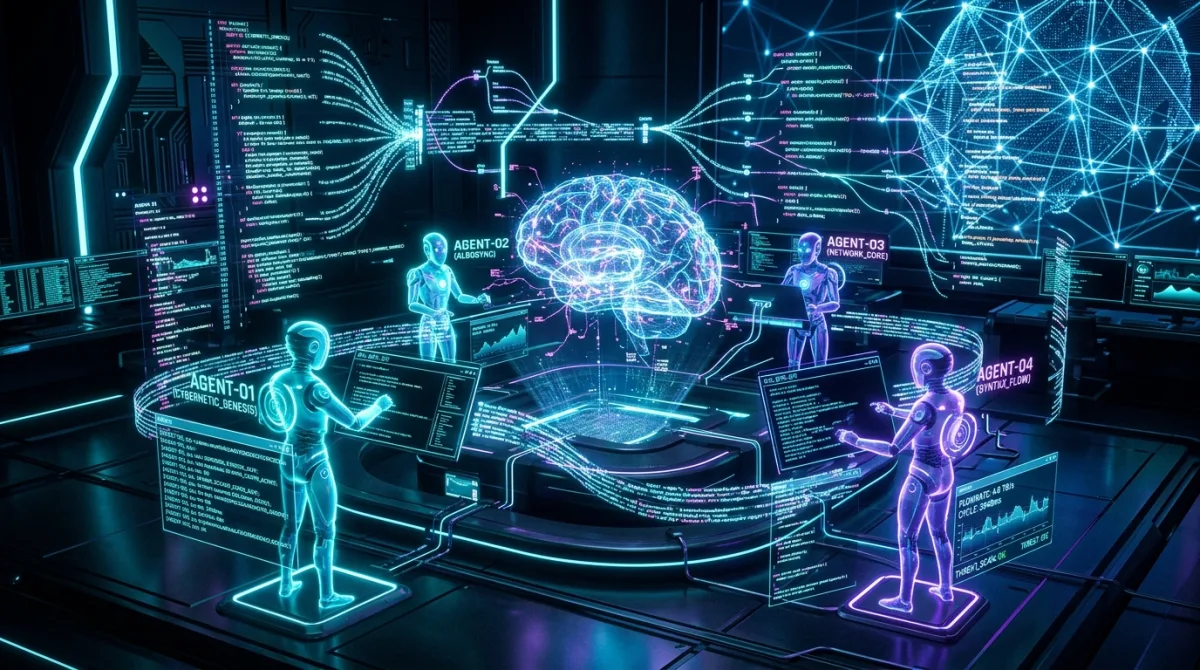
Agentic AI & Autonomous Coding Systems in 2026: The New Engineering Workforce
Why engineering teams are moving from autocomplete copilots to autonomous multi-agent coding systems with self-healing pipelines in 2026.
Read article
Written RFCs before meetings; demo Fridays; incident retros within 48 hours.
When rolling out changes related to Running Distributed Engineering Teams in 2026, start with a two-week technical spike on the riskiest integration point. Document assumptions, measure baseline metrics, and define rollback before touching production traffic.
Name who owns the written record — decisions, context, and the reasons behind them. Distributed teams do not fail from lack of calls; they fail because the reasoning behind a decision lives in someone's memory.
The recurring failure is replacing office presence with meeting volume. Every synchronous hour you add across time zones costs someone their focused morning, and it rarely buys what the calendar suggests.
The costly mistake is treating distributed work as co-located work over video. The practices that hold it together — written proposals, asynchronous review, explicit handoffs — need designing rather than assuming.
Our architects offer a free 30-minute consultation — no sales pitch, just answers.
Why engineering teams are moving from autocomplete copilots to autonomous multi-agent coding systems with self-healing pipelines in 2026.
Read article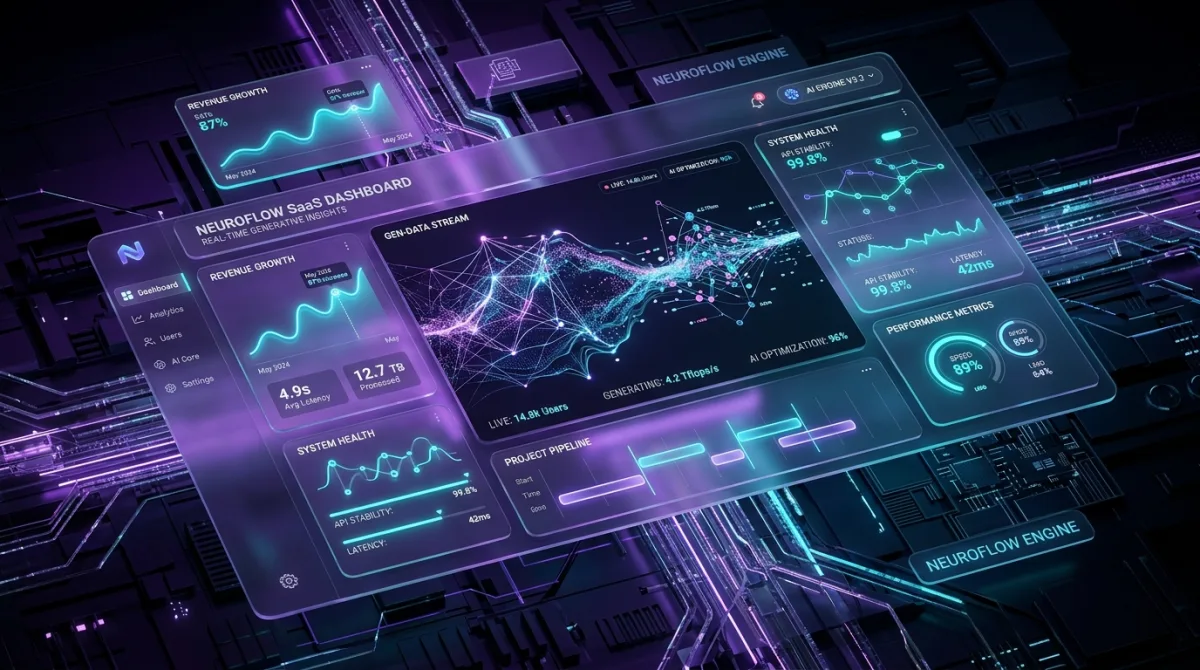
Why rigid tables and static forms are dying, and how generative software renders intent-driven micro-interfaces in real time in 2026.
Read article
Flutter Impeller vs React Native Fabric benchmarked for 2026: frame rates, cold start times, memory use and AI bridging, with data from real builds.
Read article