
Agentic AI & Autonomous Coding Systems in 2026: Why Engineering Teams Are Shifting from Copilots to AI Workforces
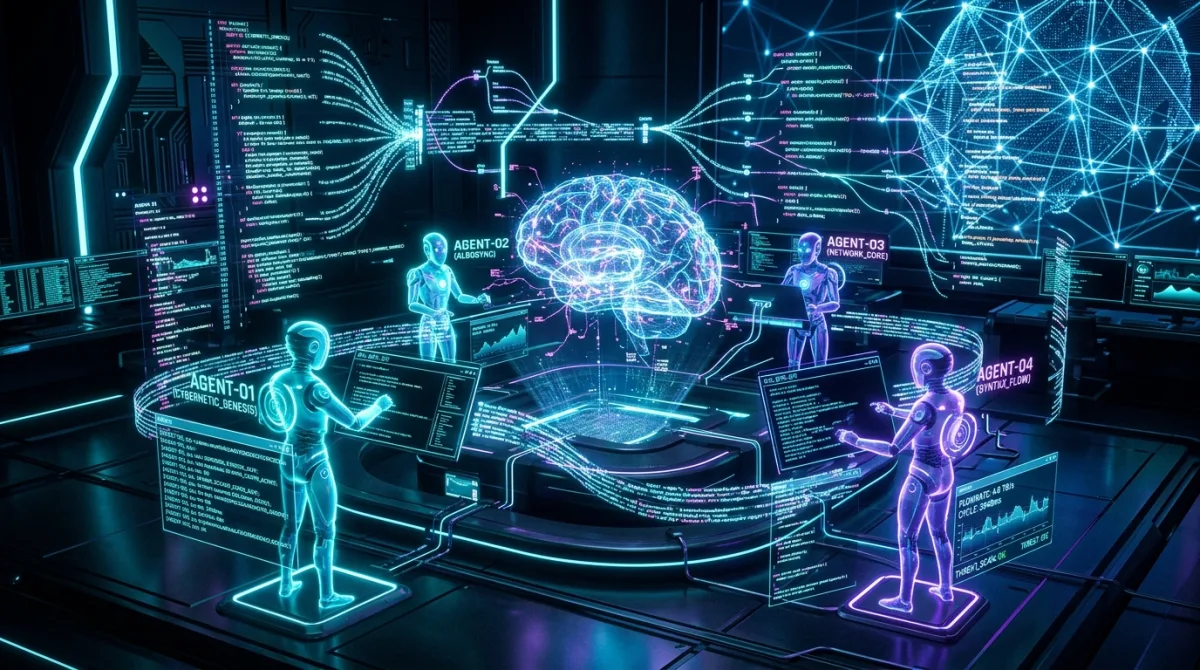
Between 2022 and 2024, AI coding tools were primarily autocomplete helpers — predicting the next line of code or answering trivia in a chat sidebar. In 2026, software development has entered the Agentic Era. Multi-agent swarms now ingest full GitHub issues, design architectural plans, execute integration tests, resolve runtime regressions, and submit production-ready pull requests autonomously.
1. The Fundamental Shift: Passive Copilots vs. Autonomous Agentic Swarms
To understand why high-growth startups and enterprises are rewriting their engineering playbooks, compare how software tasks are executed in 2024 versus late 2026:
| Dimension | Generative Copilot (2024) | Agentic Coding Swarm (2026) |
|---|---|---|
| Autonomy Level | Human-in-the-loop for every keystroke | Goal-driven autonomous execution with milestone checkpoints |
| Context Window & Memory | Single file snippet (8k-32k tokens) | Full-repository AST indexing + persistent vector memory banks |
| Execution Capability | Text output only (No shell/browser tools) | Docker container execution, test runners, git branching, live browser validation |
| Error Handling | Outputs broken syntax repeatedly | Self-healing loops: reads compiler errors & lint outputs, auto-corrects before review |
2. Inside an Autonomous Multi-Agent Engineering Pipeline
In Devlex's internal development workflow, an autonomous agent pipeline consists of specialized collaborative agents operating under an orchestration graph:
│
▼
┌─────────────────────────┐
│ Architect Agent (Planner) │ ──► Reads schema, designs implementation plan
└────────────┬────────────┘
│
┌──────┴──────────────────────────┐
▼ ▼
┌──────────────┐ ┌──────────────┐
│ Backend Coder│ │ Frontend Dev │
│ (API / SQL) │ │ (React/Swift)│
└──────┬───────┘ └──────┬───────┘
│ │
└──────────────┬──────────────────┘
▼
┌───────────────────────────────┐
│ QA & Test Sandbox Agent (E2E) │ ──► Runs Playwright/Jest, catches 500s
└──────────────┬────────────────┘
│ (Pass)
▼
┌───────────────────────────────┐
│ Security & Lint Auditor Agent │ ──► OWASP check, SAST scan, PR creation
└───────────────────────────────┘
3. The ROI of Agentic Engineering for Startups & Scale-ups
Why are companies adopting this paradigm? Because engineering velocity directly dictates market survival:
- 80% Reduction in Boilerplate & CRUD Time: Database migrations, REST/GraphQL endpoints, and responsive form components are written and verified in minutes.
- Continuous Technical Debt Refactoring: Agents systematically refactor legacy callback pyramids to async/await, update dependencies, and migrate deprecated framework APIs during off-hours.
- Zero-Cost Regression Testing: Automated agents generate comprehensive unit and E2E test suites with 90%+ code coverage without eating developer sprint capacity.
4. Enterprise Governance, Security & Sandboxing
Autonomous code execution introduces genuine security risks if not properly sandboxed. At Devlex Infotech, we mandate strict zero-trust agentic guardrails:
- Ephemeral MicroVM Sandboxes: All agent code execution and test commands run inside isolated Firecracker microVMs with restricted network egress.
- Deterministic Human-in-the-Loop Approvals: Critical database mutations, external payment gateway calls, and master branch merges require senior developer cryptographic sign-off.
- Data Leakage Prevention: Proprietary client IP and PII never train foundation models.
Empower your business with custom Agentic AI workflows
Devlex Infotech designs, implements, and deploys production-grade autonomous agent systems tailored to your proprietary data and software stacks.
Explore Agentic AI ServicesReady to integrate Agentic AI into your organization?
Book a technical architecture roadmap session with our AI engineering leads.