
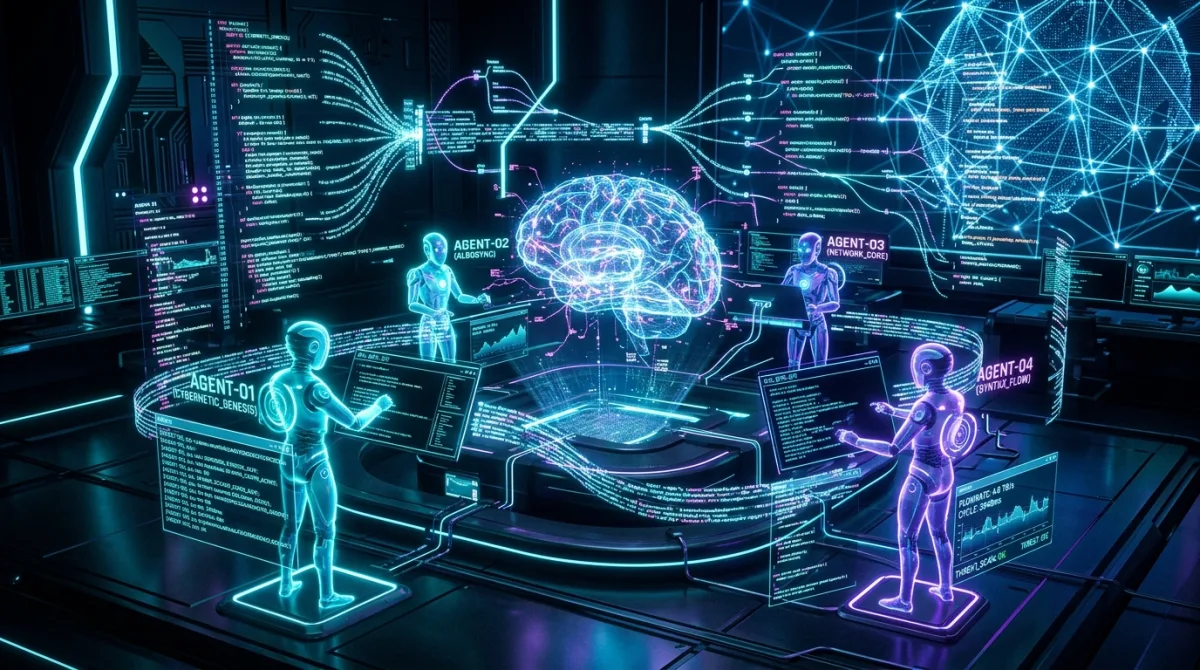
Agentic AI & Autonomous Coding Systems in 2026: The New Engineering Workforce
Why engineering teams are moving from autocomplete copilots to autonomous multi-agent coding systems with self-healing pipelines in 2026.
Read article
Input distribution drift, prediction confidence histograms, latency p95, error rates by segment, and business KPIs tied to model decisions (approval rate, fraud catch rate). For LLMs add: citation rate, refusal rate, toxicity flags, and human override frequency.
Shadow → canary → full with automatic rollback on KPI breach. Keep previous model weights for 30 days. Document every prompt version like you document API versions.
When rolling out changes related to MLOps in 2026, start with a two-week technical spike on the riskiest integration point. Document assumptions, measure baseline metrics, and define rollback before touching production traffic.
Name who is on call when a model degrades, and give them a documented rollback. Drift is not an incident anyone recognises at 3am unless someone has decided in advance what the alert means and what to do about it.
The recurring failure is monitoring infrastructure but not predictions. CPU and latency dashboards look perfectly healthy while a model quietly gets worse at the only thing it was deployed to do.
The costly mistake is deploying without a baseline. If you cannot say what the model's accuracy was in its first week, you cannot tell whether today's numbers represent drift or normal variance.
Our architects offer a free 30-minute consultation — no sales pitch, just answers.
Why engineering teams are moving from autocomplete copilots to autonomous multi-agent coding systems with self-healing pipelines in 2026.
Read article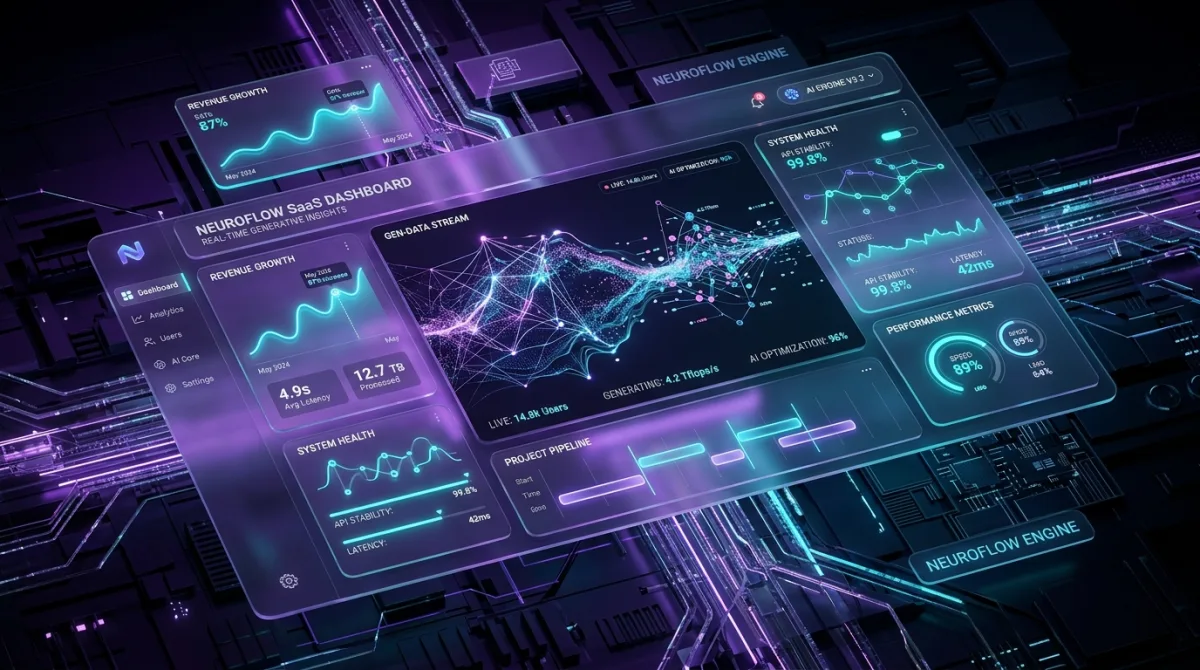
Why rigid tables and static forms are dying, and how generative software renders intent-driven micro-interfaces in real time in 2026.
Read article
Flutter Impeller vs React Native Fabric benchmarked for 2026: frame rates, cold start times, memory use and AI bridging, with data from real builds.
Read article