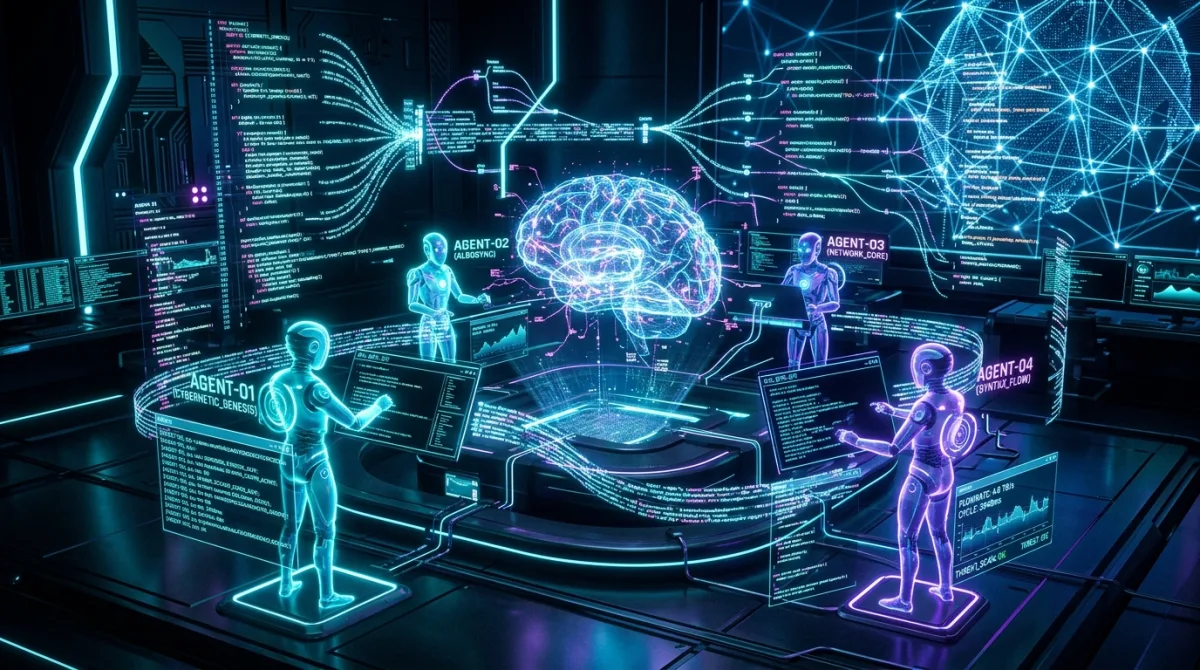
Agentic AI & Autonomous Coding Systems in 2026: The New Engineering Workforce
Why engineering teams are moving from autocomplete copilots to autonomous multi-agent coding systems with self-healing pipelines in 2026.
Read article
Apple and Google both endorse sharing non-UI layers. KMP shines when you have strong Kotlin backend teams and need iOS+Android parity on rules engines, sync, and offline models.
When rolling out changes related to Kotlin Multiplatform in 2026, start with a two-week technical spike on the riskiest integration point. Document assumptions, measure baseline metrics, and define rollback before touching production traffic.
Fix the shared-versus-native boundary before you start, and put a name against it. KMP projects go wrong when that line moves sprint by sprint and neither platform team is sure what it owns.
The recurring failure is trying to share the UI layer because it is technically possible. The business logic sharing is where the return is; the UI is where the platform differences you are paid to respect actually live.
The costly mistake is converting an existing app wholesale. Extract one well-bounded module, ship it on both platforms, and decide from real experience rather than from a proof of concept.
Our architects offer a free 30-minute consultation — no sales pitch, just answers.
Why engineering teams are moving from autocomplete copilots to autonomous multi-agent coding systems with self-healing pipelines in 2026.
Read article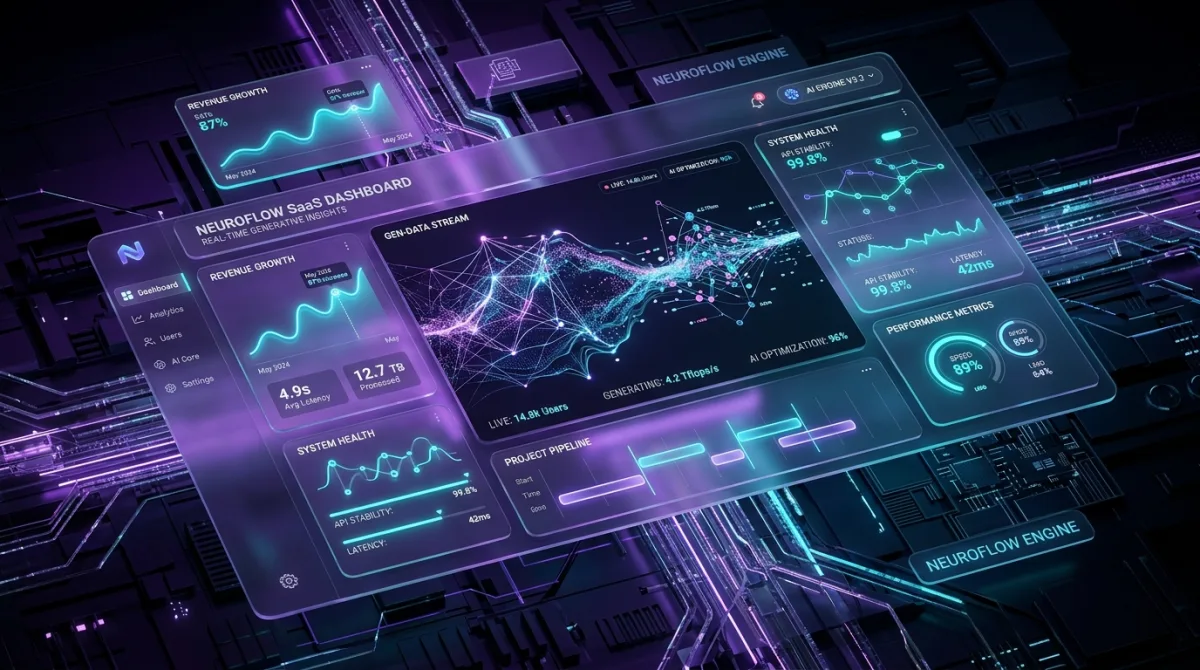
Why rigid tables and static forms are dying, and how generative software renders intent-driven micro-interfaces in real time in 2026.
Read article
Flutter Impeller vs React Native Fabric benchmarked for 2026: frame rates, cold start times, memory use and AI bridging, with data from real builds.
Read article