
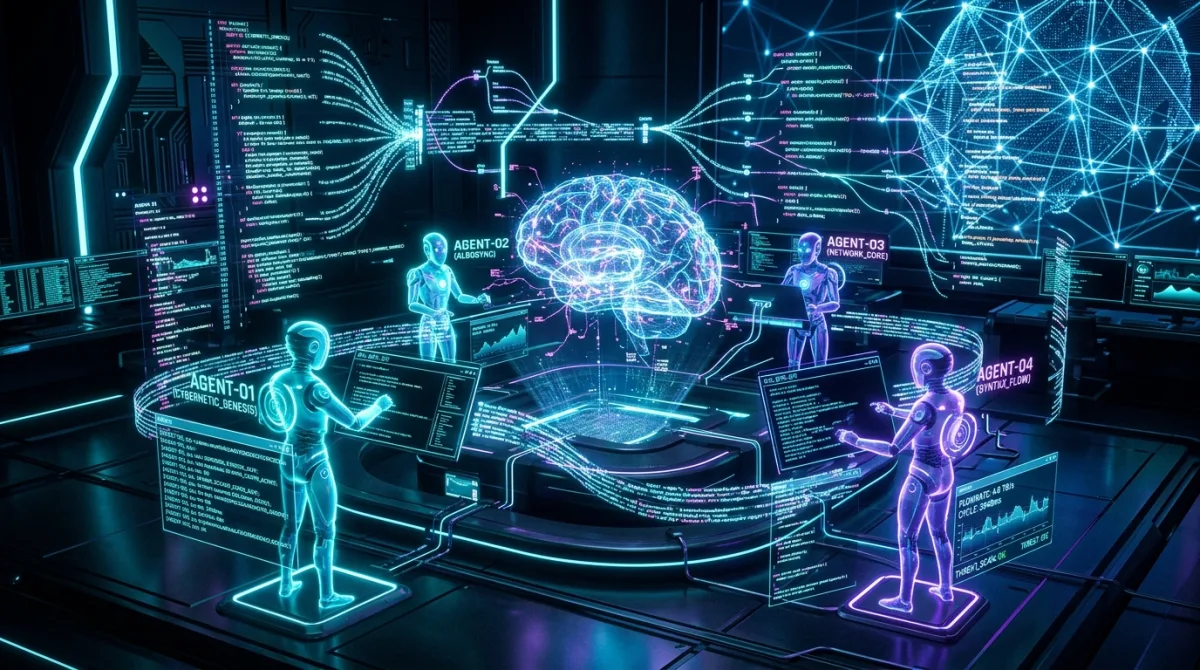
Agentic AI & Autonomous Coding Systems in 2026: The New Engineering Workforce
Why engineering teams are moving from autocomplete copilots to autonomous multi-agent coding systems with self-healing pipelines in 2026.
Read article
The Foundation Models framework gives Swift developers direct access to Apple's on-device LLM stack — the same family powering Apple Intelligence features. In iOS 27, multimodal prompts accept text plus images, tool calling is more reliable, and you can swap models including cloud providers that conform to Apple's Language Model protocol when users opt in.
The privacy story is the product story: inference runs on the Neural Engine, responses stay on-device for supported tasks, and you eliminate per-token cloud bills for eligible workloads. Not every task qualifies — large document summarization across 200-page PDFs may still need Private Cloud Compute or your own backend.
The @Generable macro remains the standout API: define a Swift struct, constrain decoding at the token level, and get type-safe model output without fragile JSON parsing. In iOS 27, error surfaces improved and streaming partial structs landed for progressive UI.
Tool calling lets models invoke your app logic safely. Pattern we use: small, pure Swift functions with explicit input types, no network side effects without user confirmation, and logging every tool invocation for QA.
Use on-device models for: smart form fill, inline classification, short summarization, accessibility descriptions, and privacy-sensitive health or finance hints. Use your backend for: cross-user analytics, large-context RAG over proprietary corpora, and model versions you must control for compliance.
Hybrid is normal. Our fintech clients run on-device triage and server-side fraud scoring — each layer where it belongs.
Our architects offer a free 30-minute consultation — no sales pitch, just answers.
Why engineering teams are moving from autocomplete copilots to autonomous multi-agent coding systems with self-healing pipelines in 2026.
Read article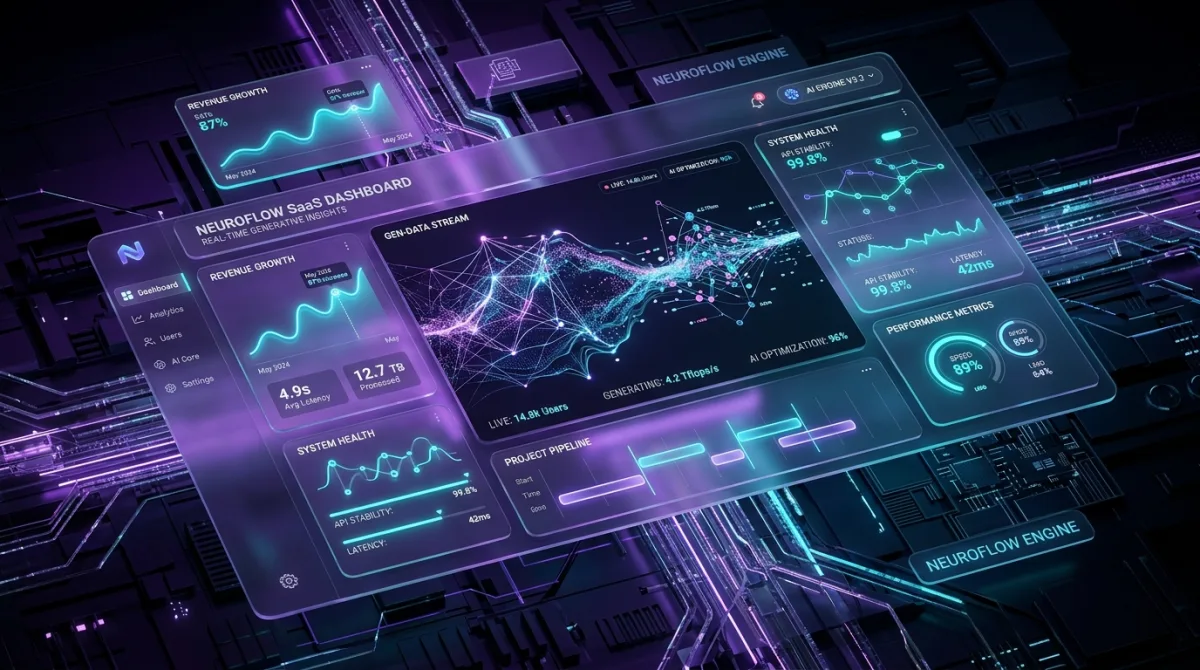
Why rigid tables and static forms are dying, and how generative software renders intent-driven micro-interfaces in real time in 2026.
Read article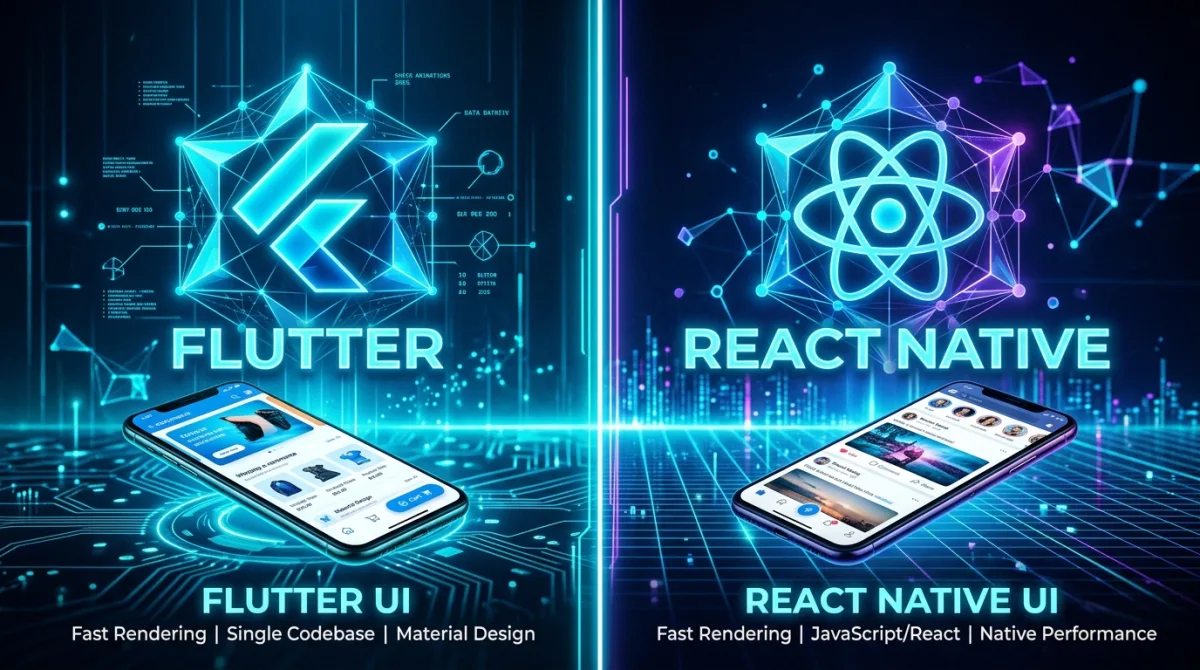
Flutter Impeller vs React Native Fabric benchmarked for 2026: frame rates, cold start times, memory use and AI bridging, with data from real builds.
Read article