
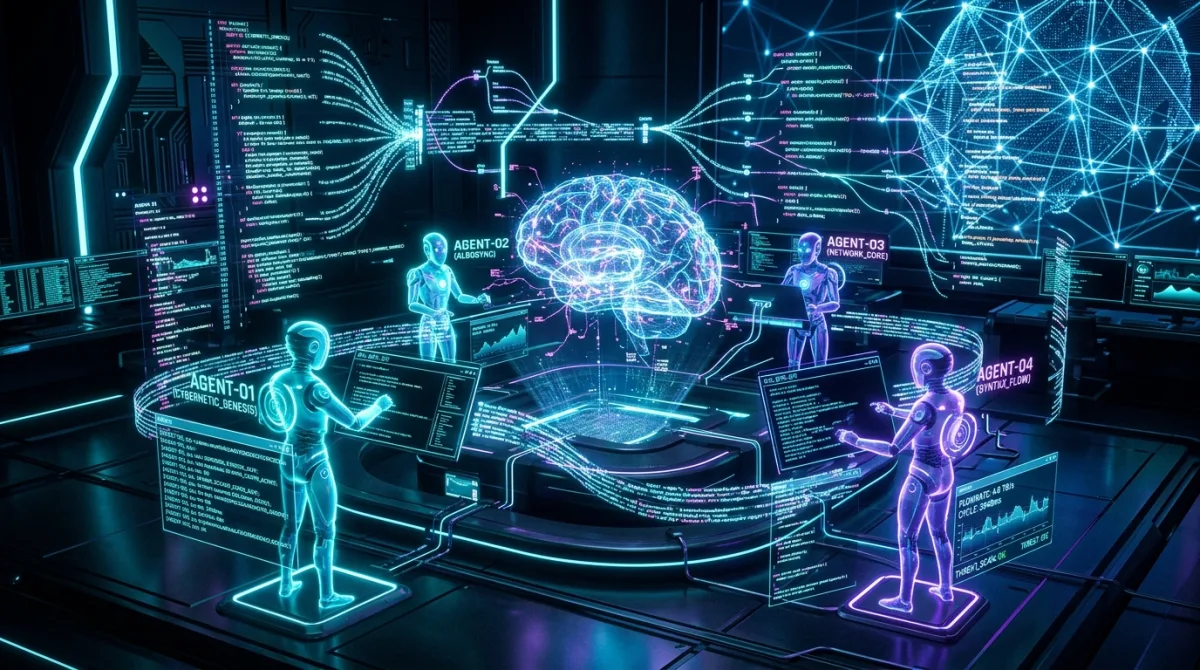
Agentic AI & Autonomous Coding Systems in 2026: The New Engineering Workforce
Why engineering teams are moving from autocomplete copilots to autonomous multi-agent coding systems with self-healing pipelines in 2026.
Read article
Foundation Models targets language and multimodal tasks with Apple's pretrained stack. Core AI is for teams bringing proprietary models — compact vision classifiers, bespoke embeddings, domain-specific generative models — and need fine-grained control over memory, batching, and hardware specialization.
Core AI includes ahead-of-time compilation for fast cold starts, zero-copy data paths, and stateful execution sessions. If you trained a model in PyTorch and need on-device inference with minimal latency, Core AI is the integration path Apple wants you on in iOS 27.
Apple Intelligence features require iPhone 15 Pro or newer; Core AI model sizes you can run still depend on RAM and Neural Engine generation. Test on iPhone 15 Pro, iPhone 16, and M-series iPads — Simulator does not catch thermal throttling or memory pressure kills.
Model packaging, quantization (INT8/FP16), and update delivery via app binaries or on-demand resources need upfront architecture. A 400MB model baked into the app affects download conversion; ODR adds complexity but saves install size.
Ship a CPU/GPU fallback path when Neural Engine is busy. Instrument inference time and memory in MetricKit. Version models in your API and log which weights answered each request for debugging. Plan A/B tests without breaking offline mode.
Our architects offer a free 30-minute consultation — no sales pitch, just answers.
Why engineering teams are moving from autocomplete copilots to autonomous multi-agent coding systems with self-healing pipelines in 2026.
Read article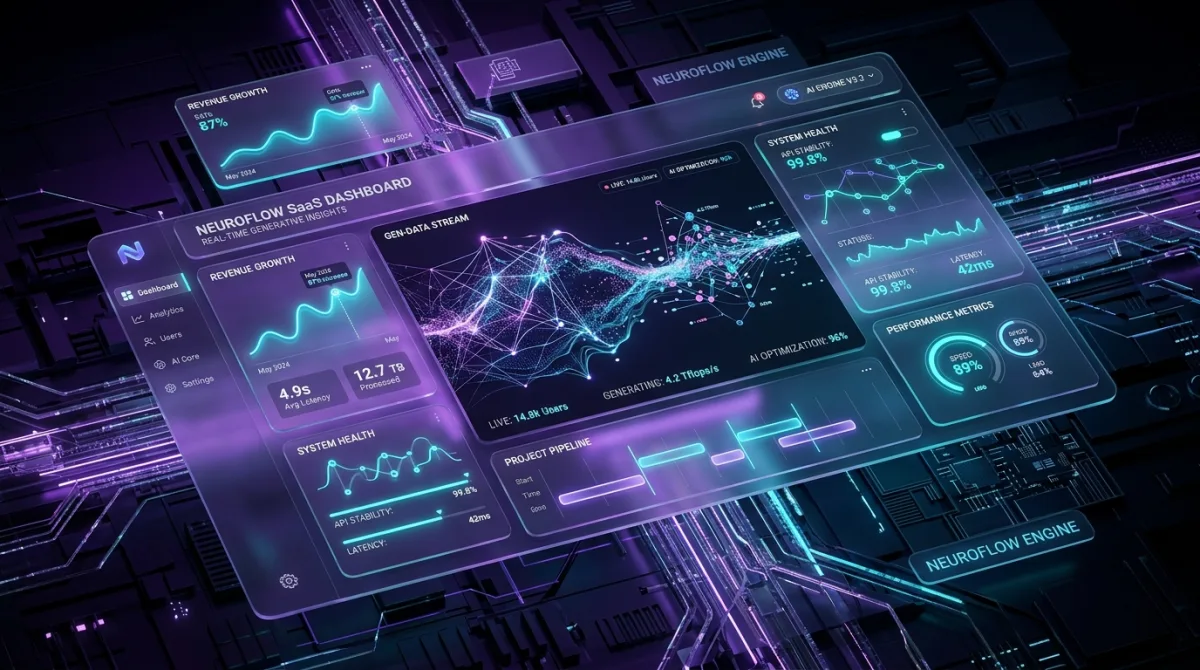
Why rigid tables and static forms are dying, and how generative software renders intent-driven micro-interfaces in real time in 2026.
Read article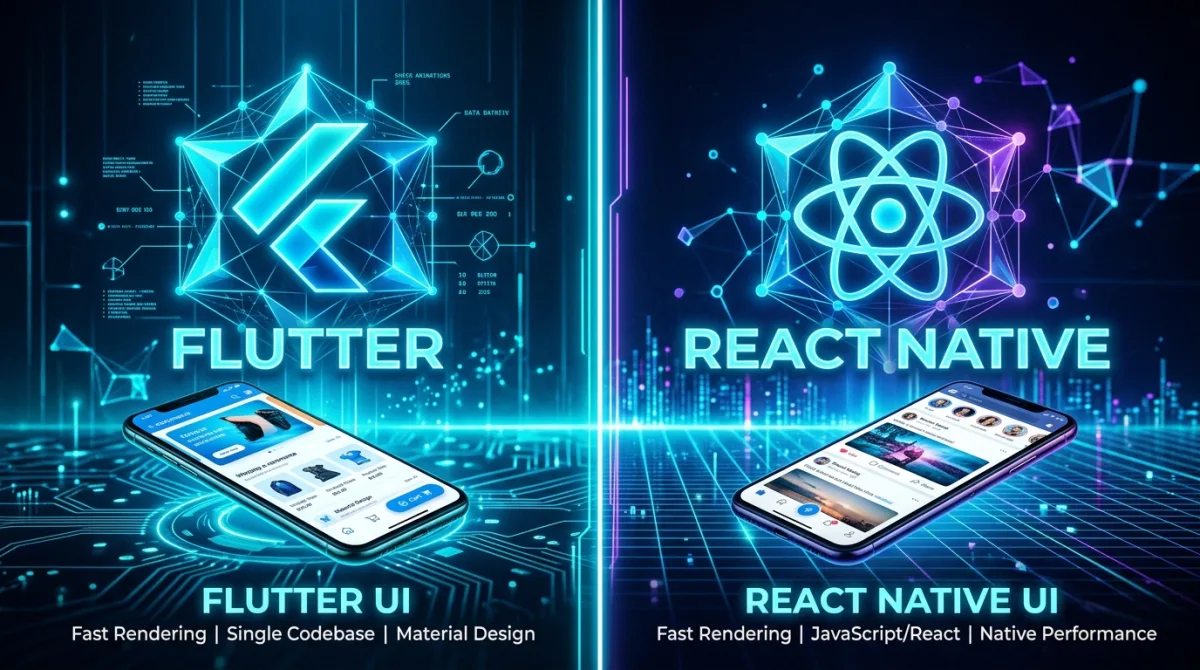
Flutter Impeller vs React Native Fabric benchmarked for 2026: frame rates, cold start times, memory use and AI bridging, with data from real builds.
Read article