
Agentic AI & Autonomous Coding Systems in 2026: The New Engineering Workforce
Why engineering teams are moving from autocomplete copilots to autonomous multi-agent coding systems with self-healing pipelines in 2026.
Read article
Apple Intelligence and some Foundation Models features require iPhone 15 Pro or later and Apple Intelligence enabled in Settings. App Store screenshots and descriptions must not imply universal availability if your feature depends on on-device models.
Pattern we use: progressive disclosure — show the AI feature when available, show an explanatory upsell or alternative workflow when not. Reviewers test on supported hardware but also check metadata accuracy.
If your app sends prompts to Private Cloud Compute or third-party LLMs via Apple's protocols, update privacy labels and in-app disclosures. Review notes should list test accounts, how to trigger AI features, and which betas you validated against.
For health, finance, and kids categories, expect longer review and questions about data retention on model outputs.
Shipping in August with iOS 27 beta users builds press and early reviews; shipping in September aligns with public OS adoption curve. Most B2B apps can wait for 27.1 stability; consumer apps chasing Siri AI discovery should target launch week with App Intents fully polished.
Our architects offer a free 30-minute consultation — no sales pitch, just answers.
Why engineering teams are moving from autocomplete copilots to autonomous multi-agent coding systems with self-healing pipelines in 2026.
Read article
Why rigid tables and static forms are dying, and how generative software renders intent-driven micro-interfaces in real time in 2026.
Read article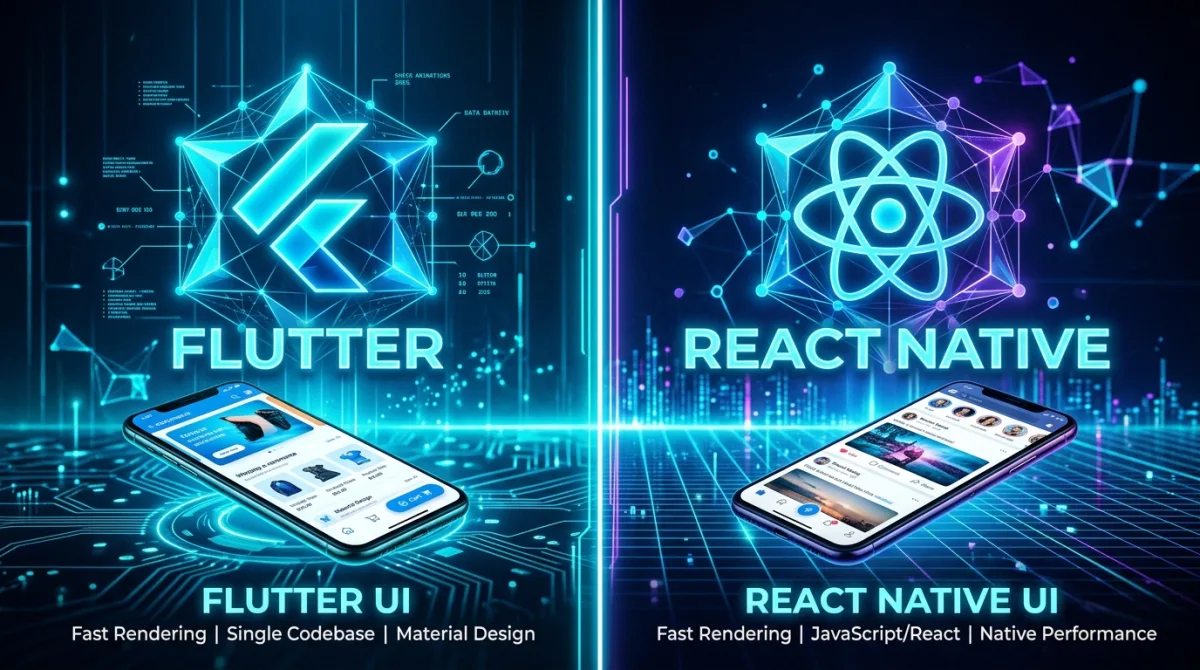
Flutter Impeller vs React Native Fabric benchmarked for 2026: frame rates, cold start times, memory use and AI bridging, with data from real builds.
Read article