

Agentic AI & Autonomous Coding Systems in 2026: The New Engineering Workforce
Why engineering teams are moving from autocomplete copilots to autonomous multi-agent coding systems with self-healing pipelines in 2026.
Read article
The pilot phase is over for most enterprises we work with. CFOs now ask for cost-per-resolution, revenue influenced, and hours returned to the business — not demo videos. Successful programs share three traits: a single owner for AI outcomes, baseline metrics captured before build, and narrow scope that ships in under twelve weeks.
Failed programs share opposite traits: platform purchases before use cases, no production evaluation harness, and 'AI strategy' decks without a single workflow in production.
Document-heavy back office (invoices, contracts, claims), customer support augmentation, sales email and CRM enrichment, and code assistance for internal tools still top the ROI charts. Image and video GenAI ROI is real but narrower — marketing and catalog teams see wins; core ERP rarely does.
Lightweight governance beats heavyweight committees. We recommend a three-tier model: auto-approve read-only RAG over public docs; manager-approve customer-facing drafts; legal-approve anything regulatory. Log every prompt and response for 90 days minimum.
Our architects offer a free 30-minute consultation — no sales pitch, just answers.
Why engineering teams are moving from autocomplete copilots to autonomous multi-agent coding systems with self-healing pipelines in 2026.
Read article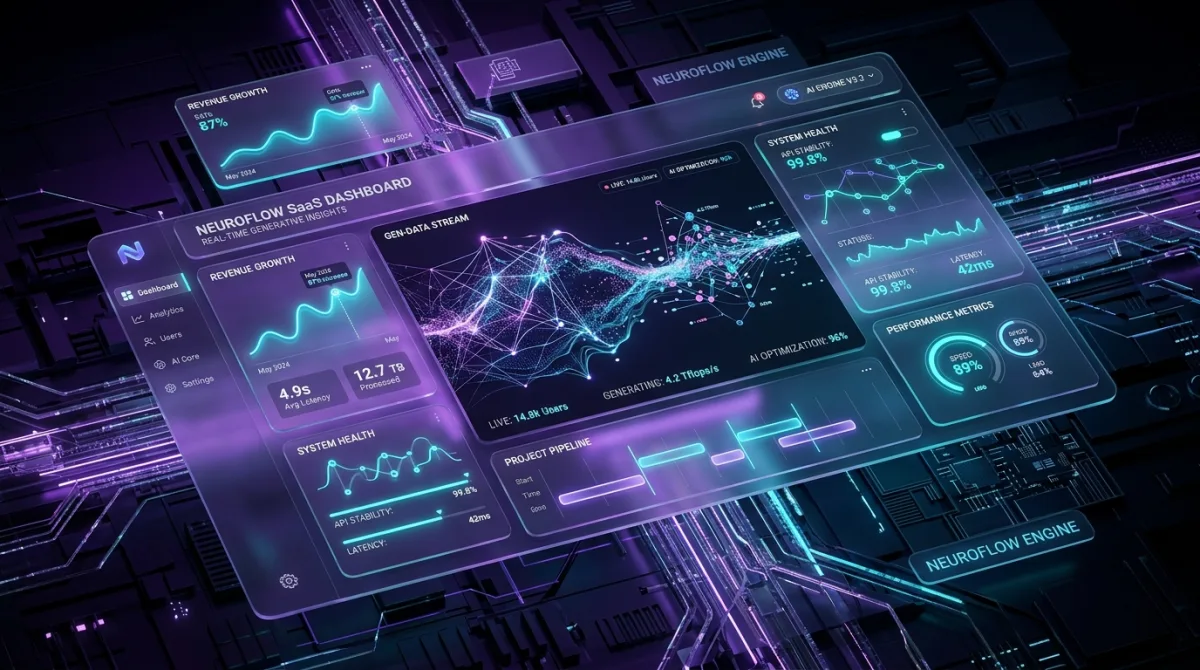
Why rigid tables and static forms are dying, and how generative software renders intent-driven micro-interfaces in real time in 2026.
Read article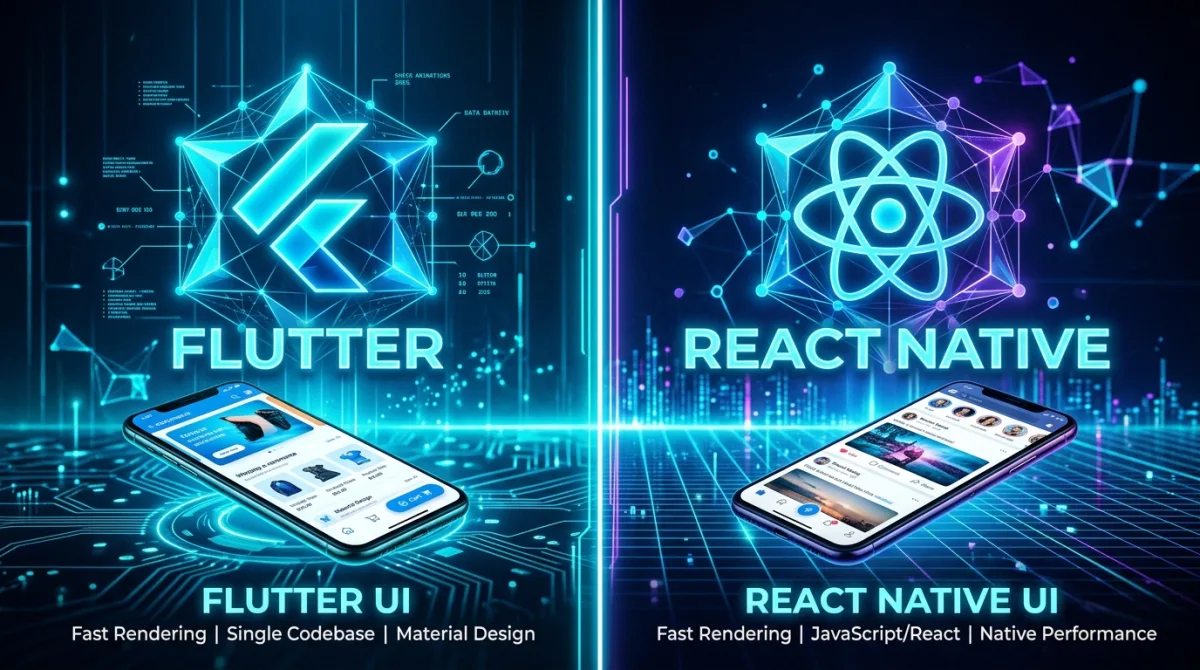
Flutter Impeller vs React Native Fabric benchmarked for 2026: frame rates, cold start times, memory use and AI bridging, with data from real builds.
Read article