
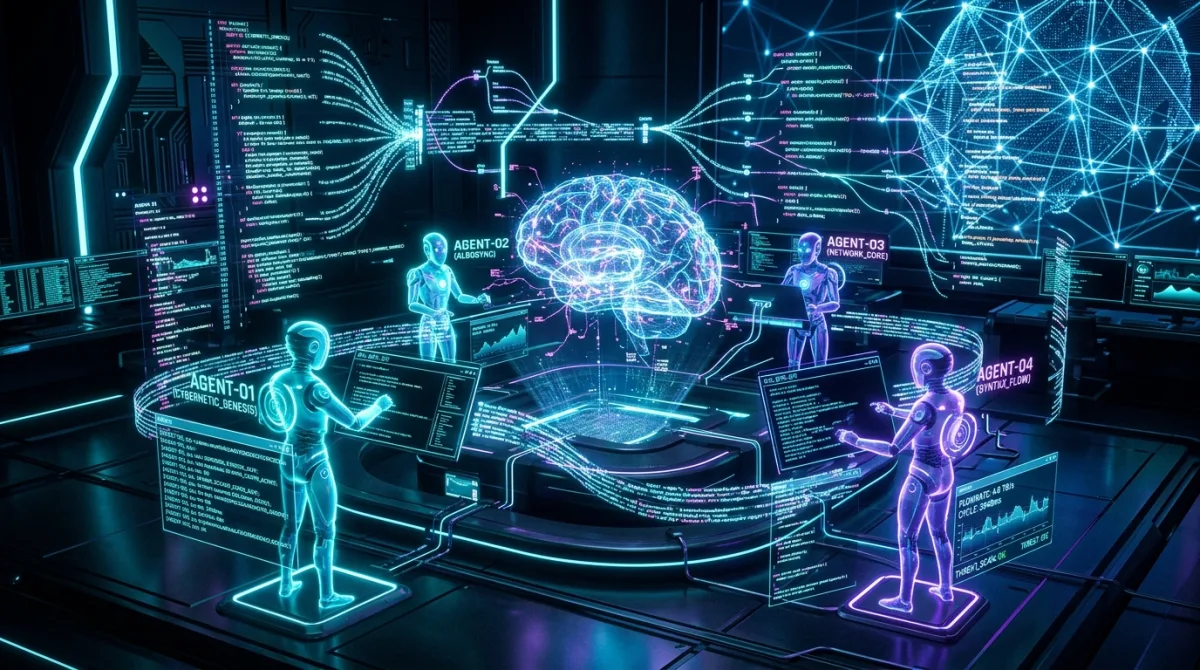
Agentic AI & Autonomous Coding Systems in 2026: The New Engineering Workforce
Why engineering teams are moving from autocomplete copilots to autonomous multi-agent coding systems with self-healing pipelines in 2026.
Read article
Planner, tool executor, critic, human approval, and memory writer cover 90% of business agents. Keep graphs small — every extra node is a failure mode.
Max step limits, tool timeouts, structured outputs between nodes, checkpointing for resume after crash, and idempotent tools. Log the full graph trace for debugging.
When rolling out changes related to Agentic AI Workflows with LangGraph, start with a two-week technical spike on the riskiest integration point. Document assumptions, measure baseline metrics, and define rollback before touching production traffic.
Name who owns the stopping conditions. Agents that can loop need someone accountable for the step limits, timeouts, and budget caps — otherwise the first production incident is a bill rather than an error.
The recurring failure is giving an agent tools without giving it constraints. Every capability you add expands what it can do when it is wrong, and the blast radius is rarely considered until it has been demonstrated.
The costly mistake is starting with a multi-agent architecture. Most workflows that ship are one model, a handful of tools, and explicit control flow — reach for coordination only when a single agent has provably failed.
Our architects offer a free 30-minute consultation — no sales pitch, just answers.
Why engineering teams are moving from autocomplete copilots to autonomous multi-agent coding systems with self-healing pipelines in 2026.
Read article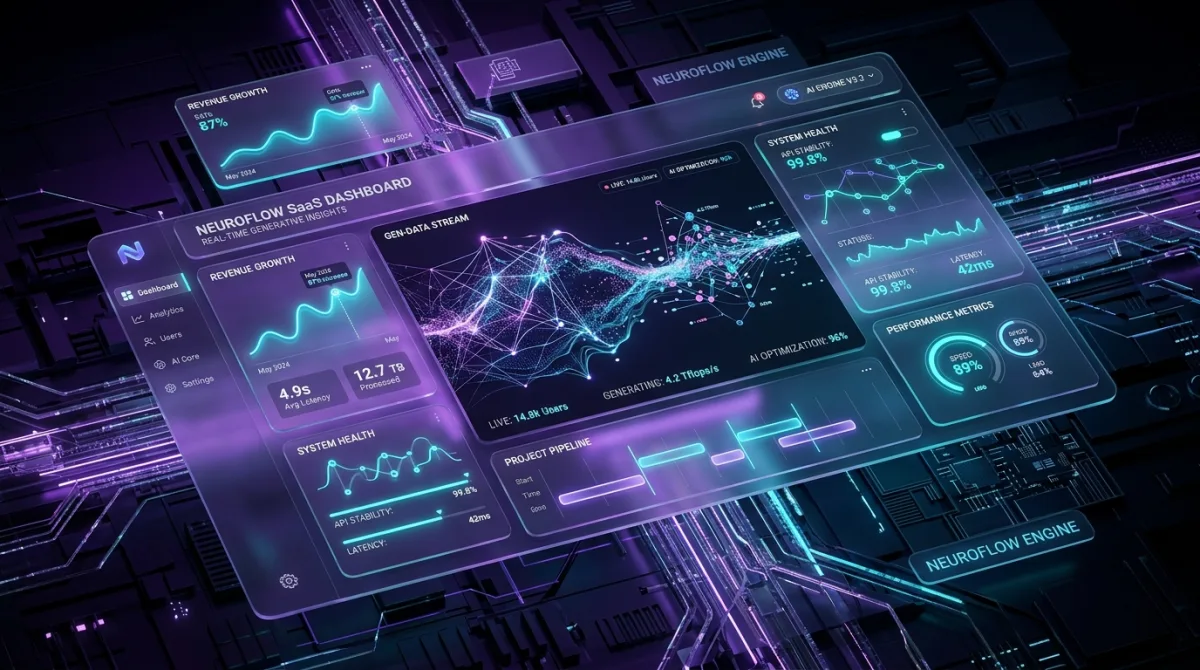
Why rigid tables and static forms are dying, and how generative software renders intent-driven micro-interfaces in real time in 2026.
Read article
Flutter Impeller vs React Native Fabric benchmarked for 2026: frame rates, cold start times, memory use and AI bridging, with data from real builds.
Read article